
Industrial water systems need careful treatment to limit corrosion, protect equipment, and maintain steady operations. Dissolved oxygen can react with metal surfaces and weaken pipes, vessels, boilers, and other assets. In many plants, Oxygen Scavenger Injection reduces this risk by introducing a suitable treatment chemical into a process stream. The right approach depends on water quality, operating pressure, temperature, and system design. Premix Technologies supports industrial treatment needs with solutions planned around process requirements, safe chemical handling, and dependable plant operation. Clear objectives help teams plan dosing and verify results during routine operation.
Why Dissolved Oxygen Needs Attention
Oxygen enters water through make-up supplies, leaks, open tanks, and feedwater handling. Even small amounts can contribute to corrosion under the right conditions. Over time, corrosion may cause pitting, deposits, leaks, and unplanned maintenance.
Boilers and closed-loop systems need particular attention because metal damage can become costly. Oxygen Scavenger Injection helps control dissolved oxygen when the selected chemical suits the water chemistry and operating conditions. It should form part of a wider treatment plan, not replace deaeration, filtration, monitoring, or inspection.
How Oxygen Scavenger Injection Works
An oxygen scavenger reacts with dissolved oxygen and reduces the amount available to attack metal surfaces. Treatment chemicals differ in reaction speed, temperature requirements, residual behaviour, and application suitability. Therefore, plant teams should review the system before choosing a product.
A dosing arrangement stores the treatment chemical and delivers a controlled flow into an injection point. A metering pump, tank, valves, calibration equipment, and instruments may be included, depending on the design. Oxygen Scavenger Injection must provide consistent dosing without creating unsafe handling conditions or disrupting the process.
Engineers consider flow rate, mixing, residence time, pressure, temperature, and where oxygen enters the system. Poor placement can limit chemical contact and reduce performance. Proper commissioning confirms that Oxygen Scavenger Injection equipment operates as intended.
Main Benefits for Industrial Operations
Effective oxygen control can support several operational goals:
- Lower the risk of oxygen-related corrosion in suitable systems.
- Help protect boilers, pipelines, tanks, and heat exchangers.
- Support stable water chemistry and planned maintenance.
- Reduce shutdowns linked to corrosion damage.
- Improve control over chemical storage, dosing, and use.
These benefits depend on correct chemical selection and monitoring. Oxygen Scavenger Injection is not a universal fix for every corrosion problem. Unsuitable pH, dissolved salts, high temperatures, or poor flow may also need attention. A water assessment helps identify suitable corrective actions, including whether Oxygen Scavenger Injection is appropriate.
Choosing a Suitable Injection Package
Before selecting equipment, operators should define process conditions and treatment goals. Important details include water flow, oxygen concentration, chemical properties, operating pressure, temperature, and installation space. The design team should review material compatibility and automation needs.
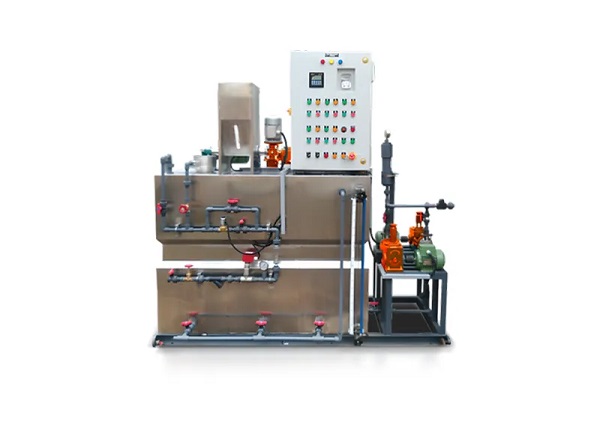
A package may include a chemical storage tank, dosing pump, injection quill, calibration column, pressure relief arrangement, isolation valves, and control panel. Not every plant needs the same configuration. Oxygen Scavenger Injection equipment should match the dosing range and allow operators to inspect, calibrate, and maintain key components.
Chemical storage areas need ventilation, containment, clear labels, and access controls. A good Oxygen Scavenger Injection design makes routine checks straightforward and helps prevent leaks, overfeeding, and accidental contact.
Oxygen Scavenger Injection Packages Supplier
Premix Technologies serves customers seeking an Oxygen Scavenger Injection Packages Supplier for industrial water treatment applications. Package selection should begin with a review of site conditions, chemical requirements, flow rates, and operating limits. A properly specified system brings storage, metering, and injection components together in one coordinated arrangement. Buyers should discuss materials, pump capacity, control preferences, service access, and safety provisions before finalising the configuration. This process helps ensure the package suits the plant rather than relying on a generic equipment layout.
Monitoring and Maintenance Practices
Installation alone cannot guarantee consistent treatment. Operators should monitor dissolved oxygen, chemical residuals, water chemistry, and equipment performance at intervals suited to the process.
Routine maintenance should cover pump calibration, tubing condition, valve operation, tank levels, injection points, and instrument checks. Oxygen Scavenger Injection settings may need adjustment when flow or oxygen loading changes. Adjustments should follow the treatment plan and use reliable test results.
Automated Oxygen Scavenger Injection can improve consistency, but sensors and pumps still need inspection. Keep suitable spare parts and train operators to recognise leaks, blocked lines, unusual pump noise, and abnormal readings.
Common Selection Mistakes to Avoid
A low purchase price should not be the only selection factor. An undersized pump may fail to meet demand, while an oversized unit can make low-rate dosing difficult. Incompatible materials may also wear faster when exposed to treatment chemicals.
Oxygen control works best when deaeration, filtration, blowdown, and other relevant steps are considered together. Oxygen Scavenger Injection should be selected with advice from qualified water-treatment professionals who understand the plant’s conditions.
Conclusion
Managing dissolved oxygen is important for protecting industrial water systems. A suitable chemical, correctly designed dosing equipment, and regular monitoring can help reduce corrosion risks and support dependable operation. Oxygen Scavenger Injection should reflect the plant’s water quality, process conditions, and safety requirements. Premix Technologies can help businesses assess package needs and identify an arrangement suited to their application. With sound selection, commissioning, and maintenance, operators can control water treatment and protect equipment over the long term.