
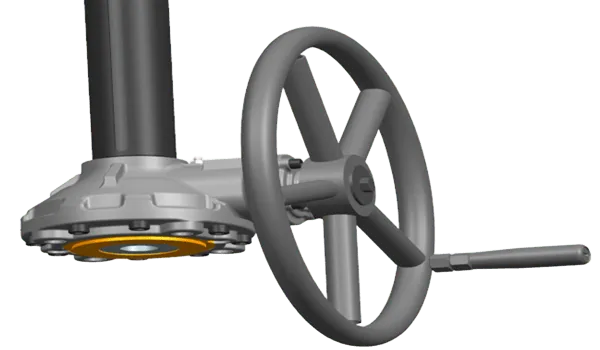
Industrial pipeline systems need dependable equipment to regulate the movement of liquids, gases, and other process materials. Ball valves are widely used because their quarter-turn mechanism allows quick and effective flow control. However, operating larger valves manually can require considerable effort, particularly in demanding installations. A suitable gearbox makes this task easier by transferring mechanical force through an internal gear arrangement. The Ball Valve Gearbox supports controlled operation, reduces manual effort, and helps maintain consistent valve movement. Its suitability depends on valve specifications, torque requirements, and the conditions in which the equipment operates.
Understanding the Mechanical Design
A ball valve contains a rotating spherical component with a central opening. When the opening aligns with the pipeline, fluid can pass through. A quarter-turn movement rotates the ball to restrict or stop the flow.
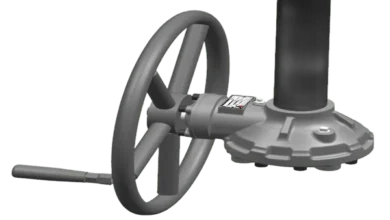
For larger valves, direct operation may become difficult. A gearbox provides mechanical assistance by transmitting input movement to the valve stem. This arrangement helps operators manage the required torque while maintaining controlled positioning.
The Ball Valve Gearbox generally incorporates gears housed inside a protective casing. Its internal configuration determines the transmission ratio and operating effort. Therefore, selecting a suitable design is important for achieving reliable movement without placing unnecessary stress on connected components.
Essential Characteristics of Quality Gearbox Equipment
Different industrial installations demand different mechanical features. Understanding these characteristics helps buyers evaluate available equipment more effectively.
Reliable Torque Transmission
Torque capacity is one of the most important selection factors. The mechanism must provide sufficient output force to operate the connected valve. An appropriate gear ratio helps balance operating effort and movement requirements.
Protective Housing
The housing protects internal components against dust, moisture, and external exposure. Suitable construction materials contribute to mechanical stability. Additionally, protective coatings may help reduce corrosion in challenging environments.
Consistent Operating Movement
Industrial operators need predictable valve movement during routine activities. A properly matched Ball Valve Gearbox supports controlled opening and closing operations. This can make equipment handling more convenient across different applications.
Practical Mounting Arrangement
Compatibility between the valve and gearbox is essential. Buyers should examine mounting dimensions, shaft connections, output configuration, and available installation space before confirming their requirements.
Industrial Uses Across Different Sectors
Ball valves are used in many industries because they provide effective shut-off capabilities. Their gearbox-operated versions are particularly useful when valve size or operating conditions make direct manual handling difficult.
In water treatment facilities, these mechanisms help manage pipeline sections and distribution arrangements. Manufacturing plants also use ball valves in compatible process lines where controlled isolation is necessary.
Oil and gas installations may require specialised valve arrangements for handling different process materials. Similarly, chemical processing facilities select suitable equipment according to fluid characteristics, pressure, and temperature requirements.
The Ball Valve Gearbox can also support applications in power generation, commercial infrastructure, and industrial utility networks. However, the selected equipment must always meet the technical requirements of the connected valve and operating environment.
Factors That Influence Equipment Selection
Choosing a gearbox requires careful attention to mechanical specifications. A product that does not match the valve may create operating difficulties or increase component stress.
Start by identifying the valve size, operating torque, and connection arrangement. Next, review the required gear ratio and available mounting configuration. These details help determine whether the proposed equipment is suitable.
Environmental conditions also influence selection. Outdoor installations may experience rain, dust, temperature fluctuations, and corrosion. Consequently, buyers should consider housing protection and material quality.
The Ball Valve Gearbox should also match the expected operating frequency. Valves used regularly may require different considerations from equipment operated occasionally. Reviewing manufacturer documentation helps establish suitable operating limits.
Installation Methods and Operational Checks
Proper installation is necessary for dependable mechanical performance. Before fitting the gearbox, technicians should inspect the valve stem, mounting surface, and connecting parts. They must also verify that the equipment dimensions match the approved specifications.
Correct alignment helps prevent unnecessary resistance during operation. If the gearbox sits incorrectly, mechanical stress may affect the connected components. Therefore, installation should follow the manufacturer’s instructions and relevant technical procedures.
After mounting, technicians should test the complete operating cycle. The Ball Valve Gearbox should move without abnormal noise, excessive vibration, or unusual resistance. Any irregularity should be investigated before regular operation begins.
Maintenance Practices That Protect Equipment
Regular inspection helps maintain equipment condition and identify potential problems early. Maintenance schedules should reflect operating frequency, environmental exposure, and manufacturer recommendations.
Technicians should examine the outer casing for corrosion, cracks, and physical damage. They should also inspect lubrication points and seals according to the prescribed maintenance procedure.
Furthermore, unusual sounds or increased operating effort may indicate internal wear or lubrication problems. Timely attention can help prevent further mechanical damage. The Ball Valve Gearbox requires appropriate handling, suitable lubrication, and periodic inspection to support dependable service.
Multi Turn Bevel Gearbox in Industrial Operations
A Multi Turn Bevel Gearbox transfers rotational movement through bevel gears positioned at an angle. This arrangement is used in applications where the connected valve requires multiple rotations rather than a simple quarter-turn movement. Its mechanical configuration can provide suitable torque transmission and installation flexibility when matched with the correct equipment. Buyers should review gear ratios, output torque, mounting dimensions, and application requirements before selecting this arrangement. Although its operating mechanism differs from a typical ball valve gearbox, both equipment types serve important roles in industrial valve automation and mechanical control.
Jayveer Enterprise and Industrial Equipment Requirements
Choosing an appropriate supplier is an important part of equipment procurement. Buyers need clear technical information to understand product suitability and installation requirements.
Jayveer Enterprise can be considered when exploring industrial gearbox requirements. Customers should share relevant valve details, including dimensions, operating conditions, and torque specifications, when discussing their requirements.
For projects involving a Ball Valve Gearbox, technical compatibility should remain a priority. Buyers can compare construction materials, mounting arrangements, operating specifications, and maintenance expectations before making a purchasing decision.
Clear communication during procurement helps reduce confusion and supports better coordination between equipment requirements and installation planning.
Purchasing Considerations for Industrial Buyers
A structured evaluation process helps businesses select suitable equipment. Before placing an order, consider these important points:
- Confirm valve dimensions and connection specifications.
- Check the required input and output torque.
- Review gear ratio and operating arrangement.
- Examine housing materials and environmental protection.
- Understand installation and lubrication requirements.
- Request available technical documentation.
These checks help buyers evaluate products according to practical operating needs. Moreover, verifying specifications before purchase can reduce compatibility problems during installation.
Conclusion
Industrial valve performance depends on suitable mechanical equipment, correct installation, and consistent maintenance. Buyers should evaluate torque capacity, construction quality, mounting dimensions, and working conditions before choosing a suitable solution. A properly selected Ball Valve Gearbox can simplify valve handling and support dependable flow control across different industrial applications. Jayveer Enterprise can be considered when exploring relevant equipment requirements. By prioritising technical compatibility and following recommended maintenance practices, industrial facilities can support reliable operation and better management of their pipeline systems.