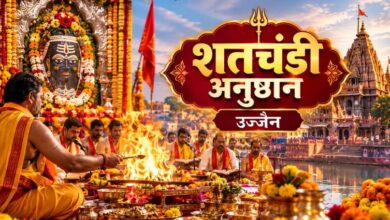

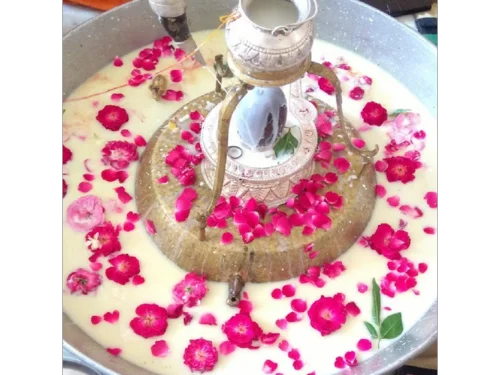
Lord Shiva holds a special place in Hindu spirituality as the symbol of transformation, compassion, and divine consciousness. Devotees worship him through various rituals to express gratitude and seek his blessings. Rudrabhishek Puja in ujjain is a sacred ceremony that involves bathing the Shivling with traditional offerings while priests recite Vedic mantras. Ujjain provides a spiritually significant setting for this worship because of its association with Mahakaleshwar Jyotirlinga. Shree Mahakal Dosh Pujan helps devotees understand the religious importance and traditional procedures associated with this auspicious ceremony.
Religious Significance of Rudrabhishek Worship
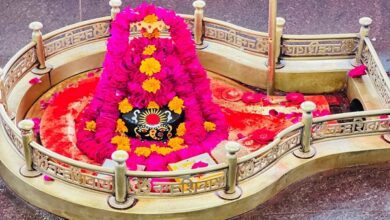
Rudrabhishek is an important form of Lord Shiva worship described in Hindu religious traditions. The word combines Rudra, a powerful form of Shiva, and Abhishek, which refers to ritual bathing. During this ceremony, devotees offer different sacred substances to the Shivling while priests chant mantras from the Vedic scriptures.
The Rudrabhishek Puja in ujjain holds particular importance because devotees believe that sincere prayers create an opportunity to receive Lord Shiva’s blessings. Furthermore, the ceremony encourages devotion, discipline, and spiritual reflection. Many families arrange this worship during auspicious occasions, religious festivals, and important milestones in their lives.
Why Ujjain Is a Sacred Destination for Shiva Worship
Ujjain is one of the seven sacred cities mentioned in Hindu traditions. Its religious identity is closely connected with the Mahakaleshwar Temple, one of the twelve Jyotirlingas dedicated to Lord Shiva. Devotees from different parts of India visit this historic city to participate in religious ceremonies and seek blessings.
Performing Rudrabhishek Puja in ujjain allows devotees to experience the spiritual atmosphere associated with Lord Mahakal. The city’s temples, traditional customs, and religious heritage make it an important destination for Shiva devotees. Additionally, visitors can combine their worship with temple visits and other spiritual activities during their stay.
Traditional Materials Used During Rudrabhishek Puja in Ujjain
The ceremony involves several sacred offerings selected according to traditional Hindu customs. Each material carries religious symbolism and represents devotion towards Lord Shiva. The priest generally explains the significance of the offerings before beginning the main procedure.
Commonly used materials include:
- Milk, which represents purity and devotion.
- Water, offered as an essential element of ritual bathing.
- Curd, traditionally associated with nourishment.
- Honey, representing sweetness and auspiciousness.
- Ghee, used in different religious offerings.
- Sugar, symbolising sweetness and prosperity.
- Bel leaves, considered especially sacred to Lord Shiva.
- Flowers and sandalwood, offered as expressions of reverence.
The Rudrabhishek Puja in ujjain follows established religious customs, although the specific materials may vary according to the type of ceremony and priestly guidance.
Understanding the Complete Puja Procedure
The ceremony generally begins with preparations and a Sankalp, during which the devotee expresses the purpose of performing the worship. Priests then invoke Lord Ganesha and other deities according to traditional practices. After completing the preliminary rituals, they begin the Shivling Abhishek using prescribed offerings.
During the Rudrabhishek Puja in ujjain, priests recite sacred Rudra mantras and perform the offerings with devotion. The ceremony may also include Panchamrit Abhishek, flower offerings, and Shiva Aarti. Finally, devotees receive Prasad and participate in concluding prayers. The duration and detailed procedure depend on the selected puja arrangement.
Auspicious Occasions for Performing Shiva Abhishek
Many devotees choose particular days to worship Lord Shiva because of their religious significance. Mondays are traditionally associated with Shiva worship, while Shravan month holds special importance among Shiva devotees. Mahashivratri is another major occasion when temples organise special prayers and religious ceremonies.
Families may also arrange Rudrabhishek Puja in ujjain during birthdays, anniversaries, new beginnings, or other meaningful occasions. Some devotees consult priests to identify suitable dates according to their family traditions and personal requirements. However, sincere devotion remains an important aspect of every religious ceremony, regardless of the occasion.
Spiritual Benefits Associated With Rudrabhishek
Hindu traditions associate Shiva worship with inner purification, devotion, and the development of a balanced outlook. Many devotees perform this ceremony to express gratitude and seek divine guidance during challenging periods. The chanting of mantras and participation in sacred offerings can also encourage concentration and personal reflection.
Through Rudrabhishek Puja in ujjain, devotees connect with an ancient form of worship that has remained meaningful across generations. People may perform the ceremony with prayers for family harmony, prosperity, wisdom, and spiritual progress. These benefits represent religious beliefs rather than guaranteed outcomes, and individuals should approach the ceremony with faith and realistic expectations.
Mangal Dosh Puja in Ujjain
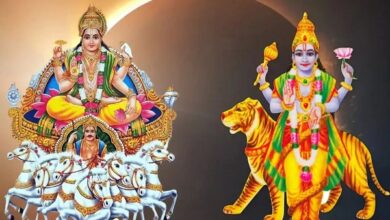
Mangal Dosh Puja in ujjain is another traditional religious ceremony performed by devotees who believe that certain Mars placements in their birth charts require astrological remedies. According to Vedic astrology, Mangal Dosh may influence marriage-related matters and personal relationships. Therefore, individuals often consult experienced astrologers and priests before selecting appropriate rituals. The ceremony may involve prayers to Lord Mangal, mantra chanting, Sankalp, and other prescribed offerings. Shree Mahakal Dosh Pujan helps devotees understand the traditional worship procedure and make suitable arrangements according to their religious beliefs. A proper horoscope assessment can help determine whether this particular ceremony is relevant to an individual’s astrological requirements.
Arranging Your Visit With Shree Mahakal Dosh Pujan
Planning a religious ceremony becomes easier when devotees understand its requirements beforehand. Shree Mahakal Dosh Pujan helps visitors learn about traditional worship procedures and necessary arrangements. Before travelling, devotees can discuss the preferred date, ceremony duration, required materials, and other details with the priest.
Visitors coming from distant locations should also consider accommodation and transportation arrangements. Additionally, families should confirm the puja schedule in advance, especially during Shravan and Mahashivratri when Ujjain welcomes large numbers of pilgrims. Preparing these details allows devotees to participate comfortably and concentrate on their prayers.
Conclusion
Lord Shiva worship represents devotion, spiritual discipline, and faith in divine guidance. Ujjain offers a meaningful destination for devotees because of its historic connection with Mahakaleshwar Jyotirlinga and traditional religious culture. Rudrabhishek Puja in ujjain provides an opportunity to participate in sacred Abhishek rituals, listen to Vedic mantras, and seek Lord Shiva’s blessings. With guidance from Shree Mahakal Dosh Pujan, devotees can understand the ceremony’s significance and organise their religious visit with proper preparation, sincerity, and devotion.