
Industrial pipelines play an essential role in transporting water, chemicals, and other fluids across different sectors. However, continuous exposure to moisture, abrasive materials, and aggressive operating conditions can affect pipeline performance over time. Cement lining provides a protective internal layer that helps improve durability and reduce the risk of corrosion in suitable applications. For industries seeking dependable pipeline protection, choosing the right lining system is an important step.
Heatman Products serves industrial coating and surface protection requirements. Understanding how cement lining works, where industries use it, and what factors influence its performance can help businesses make informed decisions about pipeline maintenance and protection.
What Is Cement Lining?
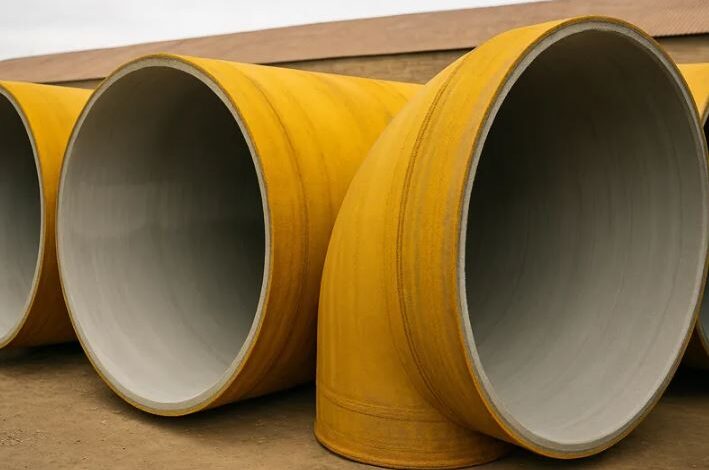
Cement lining is a protective layer made from cement-based material applied to the internal surface of a pipe or other suitable structure. It creates a barrier between the pipe wall and the fluid passing through it. Depending on the application, this layer can help reduce corrosion, protect the underlying material, and support a longer service life.
Industries commonly use cement mortar lining in certain water pipelines, ductile iron pipes, and other infrastructure applications. The lining provides an alkaline environment that can help protect compatible ferrous pipe materials from internal corrosion.
However, cement lining is not suitable for every fluid or operating condition. Chemical compatibility, temperature, pressure, and the characteristics of the transported material must be evaluated before selecting a lining system.
Why Is Cement Lining Important for Industrial Pipelines?
Pipelines often operate under demanding conditions. Without appropriate protection, internal corrosion can gradually weaken the pipe wall and affect the reliability of the entire system. Cement lining helps address this challenge in applications where cement-based materials provide suitable protection.
A properly designed lining can reduce direct contact between the transported fluid and the metal surface. As a result, it may help control internal corrosion and reduce maintenance requirements.
Cement lining can also provide a relatively smooth internal surface when correctly applied and finished. This can support efficient fluid movement, although actual hydraulic performance depends on pipe diameter, surface finish, deposits, and operating conditions.
For industrial facilities, selecting a suitable lining system can support dependable pipeline operation and help manage long-term infrastructure costs.
Key Benefits of Cement Lining
Corrosion Protection
One of the primary benefits of cement lining is its ability to protect compatible metal surfaces against certain forms of internal corrosion. The cement-based layer creates a physical barrier and maintains an alkaline environment that can support protection of ferrous materials.
The level of protection depends on the cement composition, lining thickness, application quality, and fluid chemistry. Therefore, industries should evaluate operating conditions before choosing a specific solution.
Improved Pipeline Durability
Pipelines exposed to water and other suitable fluids can experience gradual deterioration. Cement lining helps protect the internal surface and may reduce damage caused by corrosive conditions.
When properly applied and maintained, the lining can contribute to reliable pipeline performance. However, mechanical damage, aggressive chemicals, and unsuitable operating conditions can still affect its service life.
Potential Maintenance Savings
Internal corrosion can lead to inspections, repairs, shutdowns, and replacement expenses. By helping control corrosion in suitable applications, cement lining may reduce some maintenance requirements.
The actual savings depend on installation quality, operating conditions, inspection schedules, and the expected service life of the pipeline. A complete lifecycle assessment can help businesses compare available protection methods.
Support for Water Infrastructure
Cement mortar lining is widely associated with water distribution infrastructure because it can protect compatible pipe materials under suitable conditions. Engineers must still consider water chemistry, applicable standards, and any requirements related to drinking-water contact.
Selecting the correct material helps ensure that the lining performs as intended throughout the operating period.
Applications of Cement Lining
Cement lining is used in several infrastructure and industrial applications, depending on material compatibility and operating requirements.
Water Supply Pipelines: Cement mortar lining can help protect suitable pipes used to transport drinking water and other water supplies. The selected system must meet relevant requirements for the intended water service.
Municipal Infrastructure: Water distribution networks and other public infrastructure systems may use cement-lined pipes to support corrosion control and long-term reliability.
Industrial Water Systems: Manufacturing facilities often use pipelines to transport process water, cooling water, and other compatible fluids. Cement lining may be appropriate when operating conditions support its use.
Wastewater Infrastructure: Certain wastewater applications can use cement-based lining systems. However, engineers must evaluate sulphide exposure, chemical attack, abrasion, and other conditions that may damage ordinary cement materials.
Large-Diameter Pipelines: Cement mortar lining can be suitable for certain large-diameter pipe systems where internal corrosion protection and hydraulic performance are important considerations.
Factors to Consider When Selecting Cement Lining
Choosing the right cement lining requires careful evaluation of the pipeline and its operating environment. The first consideration is fluid compatibility. Some chemicals and highly acidic conditions can attack cement-based materials, making alternative lining technologies more appropriate.
Next, evaluate operating temperature and pressure. Although the pipe itself carries the structural load, changes in operating conditions can influence the performance and integrity of the lining system.
Application quality is equally important. The surface must receive appropriate preparation, and the lining should have a suitable thickness and finish. Correct curing procedures also help the cement material develop the required properties.
Finally, consider applicable industry standards, inspection requirements, and maintenance procedures. Consulting experienced technical professionals can help determine whether cement lining meets the needs of a particular project.
Cement Lining and Industrial Coating Solutions
Different pipeline applications require different protective technologies. Cement lining is often selected for suitable water-related services, while epoxy coatings and other specialised systems may be better suited to different chemical or industrial environments.
For example, fusion-bonded epoxy coatings are commonly used for corrosion protection in applications where the coating specification and operating conditions support their use. Glass flake epoxy systems may also be considered for certain demanding environments.
Heatman Products is associated with industrial coating solutions. When evaluating a pipeline protection project, businesses should identify the operating conditions first and then select a lining or coating system that meets the technical requirements. No single solution is suitable for every pipeline.
Frequently Asked Questions
1. What is cement lining used for?
Cement lining is used to protect suitable pipe interiors from certain forms of corrosion and to support reliable fluid transportation. It is commonly associated with water supply and infrastructure pipelines.
2. Does cement lining prevent corrosion completely?
No. Cement lining can help control corrosion in compatible applications, but performance depends on fluid chemistry, lining quality, operating conditions, and maintenance.
3. Is cement lining suitable for chemical pipelines?
Not always. Some chemicals can attack cement-based materials. A technical compatibility assessment is necessary before selecting cement lining for chemical service.
4. What affects the service life of cement lining?
Material quality, application thickness, curing, fluid characteristics, temperature, mechanical damage, and maintenance practices can all influence service life.
5. How do I choose the right pipeline lining system?
Evaluate the transported fluid, operating temperature and pressure, pipe material, applicable standards, and expected maintenance requirements. A qualified technical professional can help identify a suitable solution.
Conclusion
Cement lining plays an important role in protecting suitable pipelines against internal corrosion and supporting dependable infrastructure performance. Its benefits can include improved durability, reduced corrosion-related maintenance, and reliable fluid transportation when the lining matches the operating conditions.
Heatman Products offers an industrial coating context for businesses evaluating pipeline protection requirements. Before selecting cement lining or an alternative coating technology, assess material compatibility, application quality, and relevant technical standards. A carefully selected protection system can help industries maintain reliable operations and manage long-term pipeline performance.