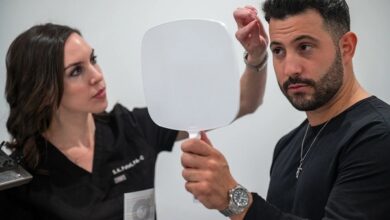

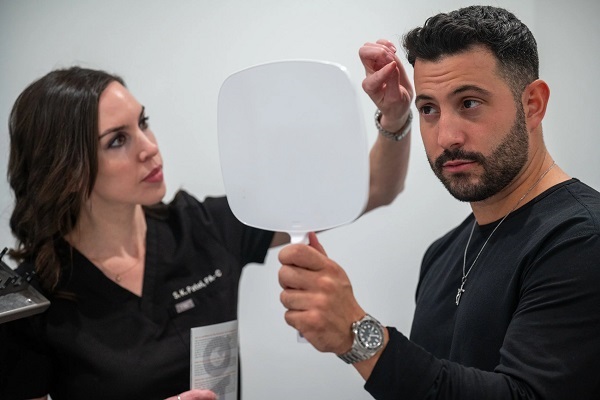
A well-defined beard can complement facial features and create a more balanced appearance. However, genetics, scarring, hormonal factors, and uneven follicle distribution can make growing a full beard difficult for some individuals. Beard Transplant Chicago treatments offer a surgical option for people interested in improving facial hair density and filling areas with limited growth. Modern transplantation methods allow qualified specialists to relocate healthy follicles from suitable donor regions. Before considering this procedure, individuals should understand the available techniques, treatment limitations, recovery expectations, and importance of professional assessment.
The Growing Interest in Facial Hair Restoration
Facial hair preferences differ from person to person. Some individuals prefer a thick, full beard, while others want improved coverage around their cheeks, jawline, or chin. Unfortunately, natural beard growth does not always follow the desired pattern.
Genetics plays a significant role in determining facial hair density. In addition, previous injuries, surgical scars, and certain medical conditions can contribute to patchy growth. These concerns encourage individuals to explore professional restoration options.
Beard Transplant Chicago procedures address selected areas by transferring healthy follicles into regions where additional coverage is desired. The treatment focuses on creating a natural appearance while respecting existing facial hair direction and growth patterns.
Beard Transplant Chicago Techniques and Their Differences
Follicular Unit Extraction, commonly called FUE, is a widely discussed technique for facial hair restoration. During this procedure, specialists extract individual follicular units from a suitable donor area, often located at the back or sides of the scalp.
After extraction, the follicles are carefully prepared and implanted into designated facial areas. The specialist considers the angle, direction, and distribution of existing facial hair to support a consistent appearance.
FUE generally leaves small extraction marks instead of a long linear scar. Nevertheless, minor scarring, swelling, and temporary discomfort remain possible.
Another important consideration involves donor hair characteristics. Scalp hair may differ from natural beard hair in thickness, texture, and growth behaviour. Therefore, experienced specialists must evaluate whether the selected follicles are appropriate for the intended result.
Facial Design Determines the Final Appearance
A successful beard restoration plan requires attention to facial proportions. Simply increasing follicle numbers does not guarantee an attractive result. Placement must complement the individual’s jawline, cheek structure, and preferred beard style.
During Beard Transplant Chicago consultations, specialists may assess several design elements:
- Cheek coverage and natural beard boundaries.
- Density requirements around the chin and jawline.
- Direction of existing facial hair growth.
- Differences between donor and recipient hair.
- Facial symmetry and individual styling preferences.
- Future maintenance and grooming expectations.
A carefully planned hairline around the cheeks can help avoid an artificial appearance. Similarly, appropriate spacing between implanted follicles supports a balanced distribution.
Patients should communicate their preferred beard shape clearly. However, the final design must also reflect donor availability and professional recommendations.
Important Preparations Before the Procedure
Preparation helps individuals understand the treatment process and reduce avoidable complications. Before scheduling Beard Transplant Chicago treatment, patients should arrange a detailed consultation with a qualified medical professional.
The assessment generally includes examining facial hair distribution, donor hair availability, skin condition, and medical history. Specialists may also discuss previous procedures, allergies, medication use, and relevant lifestyle factors.
Patients should disclose any existing medical conditions and follow instructions concerning medication adjustments. They should never discontinue prescribed medicines without professional guidance.
It is also useful to discuss the estimated follicle count, procedure duration, expected costs, and recovery requirements. Clear information allows individuals to make decisions based on realistic expectations rather than promotional claims.
Recovery Stages and Expected Hair Development
Recovery varies according to individual circumstances and the extent of transplantation. Immediately after the procedure, patients may experience mild redness, swelling, tenderness, or small crusts around implanted follicles.
These effects usually improve gradually. During the initial healing period, patients should avoid unnecessary friction, strenuous exercise, and activities that could disturb the treated area. Following the specialist’s cleaning and medication instructions is essential.
Some transplanted hairs may shed during the early growth cycle. This temporary shedding is generally expected and does not automatically indicate unsuccessful transplantation.
New growth usually develops gradually over several months. More noticeable improvements may take six to twelve months or longer, depending on individual follicle behaviour.
People researching Beard Transplant Chicago options should remember that final density cannot be guaranteed. Hair characteristics, healing, donor quality, and individual biological responses influence the outcome.
Maintaining Facial Hair After Restoration
Once the treated area has healed, regular grooming helps maintain a neat appearance. Individuals should use suitable beard-care products and avoid aggressive trimming until their specialist confirms that normal grooming can resume.
Gentle cleansing supports skin hygiene, while appropriate moisturising can help prevent dryness. Furthermore, balanced nutrition and healthy daily habits contribute to overall hair health.
Transplanted follicles generally continue their growth cycle after successful establishment. However, natural hair characteristics may influence thickness, length, and styling requirements.
Professional follow-up appointments also help monitor development. Patients should report unusual irritation, persistent pain, or unexpected skin changes rather than attempting to manage complications independently.
Comparing Treatment Suitability and Professional Standards
Not everyone experiencing patchy facial hair is automatically suitable for surgery. Individuals with insufficient donor follicles, certain skin conditions, or specific medical concerns may require alternative approaches.
A professional evaluation determines whether transplantation offers meaningful benefits. In some cases, specialists may recommend investigating underlying causes before considering a cosmetic procedure.
When evaluating Beard Transplant Chicago providers, check medical qualifications, relevant surgical experience, hygiene standards, and consultation practices. Ask about possible complications, donor management, and realistic density expectations.
Patients should also understand the difference between temporary cosmetic improvements and surgical restoration. An informed decision requires transparent communication and a treatment plan based on individual requirements.
Exploring Other Modern Aesthetic Services
Aesthetic treatments now address several appearance-related goals through different technologies. Individuals interested in broader cosmetic care may also research non-surgical body treatments. EmSculpt Neo West Loop is one example, combining electromagnetic energy with radiofrequency technology to target muscle development and localized fat reduction. Although this treatment addresses body contouring rather than facial hair growth, it represents another area of aesthetic technology. Interested individuals should consult qualified providers to understand eligibility, possible side effects, treatment schedules, and realistic outcomes before choosing this service.
Building Realistic Expectations With Opulence Chicago LLC
Research is an important part of choosing any cosmetic procedure. Individuals should compare available techniques, understand treatment limitations, and verify the credentials of professionals performing surgical work.
Opulence Chicago LLC can serve as a starting point for exploring aesthetic-related information and understanding different appearance-focused services. Before arranging treatment, confirm the provider’s qualifications, available procedures, consultation arrangements, and medical supervision.
A thoughtful approach helps patients prioritize safety instead of making decisions based solely on advertised results or discounted packages.
Conclusion
Facial hair restoration requires careful planning, suitable donor follicles, and an understanding of individual growth patterns. Beard Transplant Chicago procedures can help appropriate candidates address patchy coverage and achieve improved facial hair distribution through follicular transplantation. However, natural-looking results depend on professional technique, facial design, healing, and realistic expectations. Opulence Chicago LLC provides an opportunity to explore aesthetic-related information before taking the next step. Consulting a qualified specialist, reviewing potential risks, and following recommended aftercare instructions can help individuals make informed decisions about their facial hair restoration goals.