

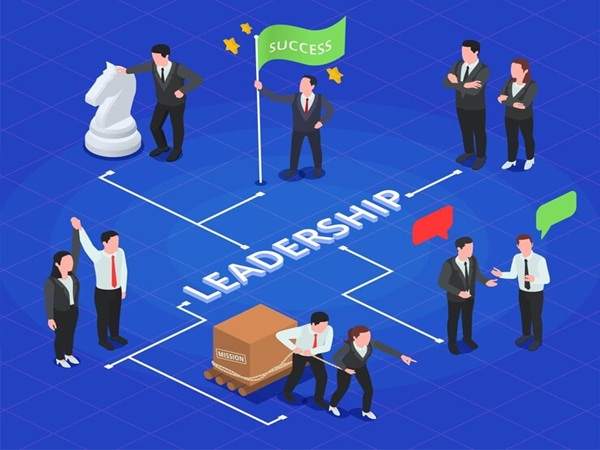
Professional growth often requires more than technical knowledge and years of experience. As responsibilities increase, executives must make difficult decisions, guide teams and respond to changing business expectations. Personalised development can help them approach these challenges with greater clarity. One on One Executive Coaching provides an opportunity to examine leadership habits, identify improvement areas and build practical strategies for long-term professional success.
Every executive has different goals, responsibilities and workplace challenges. Therefore, individual coaching can offer a focused learning experience that addresses specific professional requirements. Cohort Learning Space supports leadership development through learning experiences designed to encourage self-awareness, stronger communication and purposeful decision-making.
Why One on One Executive Coaching Matters
Senior professionals regularly face situations that require confidence, judgement and accountability. Managing organisational changes, resolving disagreements and motivating employees can become difficult without the right approach. One on One Executive Coaching creates dedicated space for executives to examine these responsibilities and explore effective ways to handle them.
Unlike general training sessions, individual coaching focuses on the participant’s professional circumstances. Conversations can address immediate workplace concerns alongside broader career objectives. This personalised approach helps executives recognise patterns in their behaviour and understand how their decisions affect others.
Moreover, regular reflection encourages continuous improvement. Participants can review their progress, discuss obstacles and adjust their development priorities as their responsibilities evolve.
Key Areas Covered in One on One Executive Coaching
Leadership development involves several abilities that influence professional performance. Individual sessions can help executives strengthen these areas through discussion, reflection and practical exercises.
Strategic Thinking and Better Decisions
Executives frequently make decisions that influence employees, operations and organisational objectives. They must evaluate information, consider possible outcomes and select appropriate actions. One on One Executive Coaching can encourage structured thinking and help professionals approach complex situations more objectively.
By examining real workplace examples, participants can understand their decision-making habits. They can also learn to distinguish immediate concerns from long-term priorities, making strategic planning more effective.
Communication and Relationship Management
Successful leadership depends on clear communication. Executives must explain expectations, discuss performance and maintain productive relationships with different stakeholders. Coaching conversations can explore ways to deliver messages confidently while remaining open to alternative viewpoints.
Better communication also supports collaboration. When leaders listen carefully and respond thoughtfully, employees are more likely to participate in discussions and share relevant information.
Delegation and Accountability
Managing every responsibility personally can limit an executive’s effectiveness. Strong leaders understand how to distribute work according to individual capabilities and organisational priorities. One on One Executive Coaching can help participants examine delegation practices and establish clearer expectations.
Effective delegation also involves providing suitable guidance without unnecessary interference. This approach encourages employee ownership while allowing executives to focus on broader responsibilities.
How Personalised Coaching Supports Executive Confidence
Confidence develops through preparation, experience and self-awareness. However, professional pressure can sometimes make experienced executives question their decisions or communication abilities. Individual coaching provides an opportunity to discuss these situations without the distractions of a group environment.
During One on One Executive Coaching, participants can examine difficult conversations, leadership challenges and situations that require greater confidence. They can consider different responses before applying suitable approaches at work.
Furthermore, identifying personal strengths helps executives use their existing capabilities more effectively. Recognising improvement areas also makes development goals clearer and easier to evaluate.
Creating a Practical Executive Development Plan
A successful coaching experience should connect professional objectives with realistic actions. Instead of setting broad goals such as becoming a better leader, participants can identify specific behaviours they want to improve.
For example, an executive may want to conduct more productive meetings, communicate organisational changes clearly or improve relationships between departments. One on One Executive Coaching can help translate these priorities into manageable development activities.
Progress reviews provide another useful element. Participants can discuss completed actions, evaluate challenges and identify adjustments. Consequently, development becomes an ongoing process rather than a one-time learning activity.
One on One Executive Coaching for Changing Business Environments
Modern organisations operate in environments influenced by technological developments, changing customer expectations and evolving workforce requirements. Executives must remain adaptable while keeping teams aligned with organisational objectives.
Individual coaching can help professionals examine how they respond to uncertainty and manage competing priorities. Through One on One Executive Coaching, leaders can explore approaches to change management, workplace collaboration and organisational communication.
These discussions encourage thoughtful responses instead of rushed decisions. They also help executives understand how leadership behaviour influences employee confidence during periods of transition.
The Value of Leadership Presence Training
Leadership Presence Training helps professionals develop the confidence, credibility and communication awareness needed to influence workplace interactions positively. It focuses on professional conduct, presentation skills, body language and the ability to communicate with clarity. These qualities can help executives establish trust, contribute confidently during important discussions and create a more composed leadership style across different professional situations.
Who Should Consider Individual Executive Coaching?
This development approach can benefit professionals at different stages of their leadership journeys. Newly appointed managers may need support while adjusting to increased responsibilities and managing former colleagues. Experienced executives may want to refine their strategic thinking or improve communication across departments.
Business owners can also explore personalised development to strengthen decision-making and manage organisational growth. Similarly, senior professionals preparing for larger responsibilities may benefit from examining their leadership strengths and development priorities.
One on One Executive Coaching is particularly relevant when individuals want focused guidance rather than general professional training.
Choosing a Suitable Coaching Environment
The quality of the learning environment can influence the overall development experience. Before selecting a programme, consider its structure, coaching approach, learning objectives and relevance to your professional requirements.
Cohort Learning Space offers a setting for professionals interested in meaningful learning and leadership development. Executives should look for opportunities to discuss practical challenges, reflect on their decisions and connect learning outcomes with workplace responsibilities.
A suitable programme should encourage honest reflection and provide a clear direction for continued improvement.
Conclusion
Strong leadership develops through continuous learning, self-awareness and the willingness to improve. One on One Executive Coaching gives professionals dedicated opportunities to examine their decisions, strengthen communication and develop more effective management habits.
Whether the objective involves strategic thinking, team development or greater professional confidence, personalised coaching can support meaningful progress. Through development-focused learning opportunities, Cohort Learning Space encourages executives to build stronger leadership capabilities and approach future responsibilities with greater clarity.