Water Bottle Rinsing, Filling & Capping Machine for Efficient Production

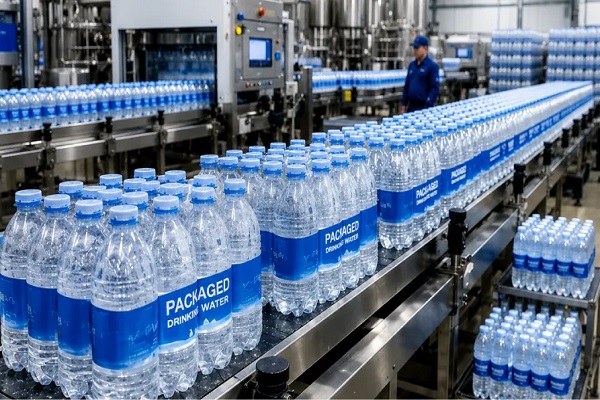
The packaged drinking water industry depends on reliable equipment to maintain hygiene, production speed, and consistent packaging quality. Manufacturers need machinery that performs essential bottling operations without unnecessary interruptions. A Water Bottle Rinsing, Filling & Capping Machine combines three important processes into one coordinated production system. It helps clean suitable containers, fill them with treated water, and secure their caps efficiently. This integrated arrangement reduces manual handling and improves workflow management. FREEION Engineering offers industrial machinery solutions for businesses seeking dependable equipment for modern bottled water manufacturing and packaging facilities.
Understanding Integrated Water Bottle Rinsing, Filling & Capping Machine Technology
Bottle preparation is an important stage in packaged drinking water production. Before filling begins, suitable containers must undergo the required rinsing process to support hygienic handling.
An integrated machine connects rinsing, filling, and capping operations within a coordinated arrangement. This reduces the need to transfer bottles manually between separate equipment stations.
A Water Bottle Rinsing, Filling & Capping Machine is designed to support continuous container movement through these three production stages. Its configuration may include bottle holders, rinsing nozzles, filling valves, capping mechanisms, and conveyor arrangements.
Moreover, combining these functions can help manufacturers organise their production floor more effectively. Businesses can select suitable configurations according to bottle dimensions and expected output.
Three Essential Functions in One Machine
Each operation contributes to the overall quality and efficiency of bottled water manufacturing.
1. Bottle Rinsing Process
Rinsing prepares compatible containers before they enter the filling section. Depending on the equipment design, the system uses controlled water or an appropriate rinsing method to clean the internal surfaces.
Proper rinsing arrangements help remove loose particles and support hygienic container preparation. Manufacturers should follow suitable cleaning and sanitation procedures.
2. Accurate Water Filling
The filling section transfers treated water into prepared bottles. Filling valves control water distribution and help maintain consistent quantities.
An appropriate filling mechanism can reduce spillage and unnecessary product wastage. Furthermore, automated operation supports better production consistency across different batches.
3. Secure Bottle Capping
After filling, bottles move towards the capping section. The capping mechanism places and secures compatible closures to help prevent leakage.
Consistent cap application supports product protection during storage and transportation. Therefore, manufacturers should select equipment compatible with their chosen bottle and closure specifications.
Major Advantages of Automated Bottling Machinery
Automation helps businesses coordinate repetitive manufacturing activities with greater consistency. An integrated machine offers several practical benefits.
A Water Bottle Rinsing, Filling & Capping Machine reduces manual movement between separate production stations. Consequently, operators can supervise the overall process more efficiently.
Another advantage is improved space utilisation. Combining three functions within one system can help manufacturers organise smaller production areas.
Additionally, coordinated operations support a smoother production sequence. Bottles move through preparation, filling, and closure stages with fewer manual interventions.
The equipment can also help businesses manage increasing production requirements when its capacity matches actual demand. Proper machine selection remains essential for achieving these benefits.
Applications Across Different Bottling Facilities
Different manufacturers require different equipment configurations. Small businesses may prefer compact systems for moderate production volumes, while established companies often need higher-capacity machinery.
A Water Bottle Rinsing, Filling & Capping Machine can serve facilities producing compatible bottled drinking water products in different container sizes.
These systems are relevant to businesses supplying supermarkets, hotels, restaurants, offices, retail distributors, and commercial institutions.
Furthermore, existing bottling facilities can evaluate integrated machinery when upgrading their production arrangements. The correct configuration depends on available space, bottle specifications, and manufacturing targets.
Important Factors Before Selecting Equipment
Purchasing industrial machinery requires careful evaluation. Businesses should compare technical specifications and understand their production requirements before making an investment.
Consider these important factors:
- Production capacity: Select output according to expected daily demand.
- Bottle compatibility: Check supported container shapes and dimensions.
- Rinsing arrangement: Evaluate the cleaning method and operating requirements.
- Filling accuracy: Review the consistency of the filling mechanism.
- Capping performance: Confirm compatibility with selected closures.
- Construction materials: Consider suitable materials for hygienic production.
- Maintenance access: Review cleaning procedures and spare parts availability.
A Water Bottle Rinsing, Filling & Capping Machine should also fit the factory layout. Proper placement allows operators to access important components and perform routine servicing.
FREEION Engineering for Industrial Bottling Requirements
Selecting suitable machinery involves more than comparing prices. Manufacturers should understand equipment specifications, installation requirements, operating capacity, and technical support arrangements.
FREEION Engineering provides industrial engineering and packaging machinery solutions for businesses exploring modern manufacturing equipment.
When evaluating a Water Bottle Rinsing, Filling & Capping Machine, entrepreneurs should discuss their bottle sizes, required output, available infrastructure, and automation preferences.
This assessment helps identify an appropriate equipment configuration. It also allows businesses to plan installation and prepare their production facilities before commissioning machinery.
A suitable machinery partner can help manufacturers understand technical requirements and make more informed purchasing decisions.
Hot Melt Glue Roll Fed Labeling Machine
A Hot Melt Glue Roll Fed Labeling Machine is designed to apply labels to compatible bottles and containers using hot melt adhesive technology. Its roll-fed arrangement supports continuous labelling and consistent product presentation in industrial packaging facilities. Depending on its configuration, the equipment can accommodate different container dimensions and production requirements. Controlled adhesive application helps maintain proper label positioning during operation. Regular cleaning, correct machine adjustments, and scheduled maintenance support dependable performance. For bottled water manufacturers, effective labelling improves shelf appearance, strengthens brand recognition, and prepares finished products for organised storage, transportation, and distribution through retail and commercial channels.
Maintenance Practices for Consistent Performance
Regular servicing helps maintain machinery efficiency and reduces unexpected production interruptions. Manufacturers should inspect important components according to the equipment manufacturer’s maintenance instructions.
Rinsing nozzles, filling valves, conveyors, sensors, and capping mechanisms require appropriate attention. Cleaning procedures should also maintain hygienic conditions throughout the production area.
Operators must receive proper training to understand machine controls, operating instructions, and safety requirements.
A Water Bottle Rinsing, Filling & Capping Machine performs more reliably when businesses follow preventive maintenance schedules and maintain accurate service records.
Additionally, manufacturers should monitor equipment performance and replace worn components when necessary. These practices help protect machinery and support organised daily production.
Conclusion
Modern bottled water manufacturing requires coordinated equipment that supports container preparation, accurate filling, and secure closure. Integrated machinery helps businesses manage these essential activities while improving production organisation.
Investing in a Water Bottle Rinsing, Filling & Capping Machine can support consistent bottling operations and reduce unnecessary manual handling. FREEION Engineering offers industrial machinery solutions worth considering when planning suitable packaging facilities. By evaluating production capacity, bottle compatibility, hygiene requirements, and maintenance needs, manufacturers can select equipment that matches their objectives. A well-planned machinery investment provides a strong foundation for efficient operations and long-term business development.