
Sluice valves are widely used in water distribution networks, treatment plants, irrigation systems, and industrial pipelines. They help control the flow of water and other compatible fluids by opening or closing a passage. However, operating large sluice valves manually can require considerable effort. A suitable gearbox makes this operation easier and more controlled.
A Sluice Valve Gearbox is a mechanical operating device that transfers torque to a valve stem. It helps operators manage valve movement with reduced manual effort and better control. Jayveer Enterprise is associated with industrial gearbox solutions designed for different valve operating requirements.
What Is a Sluice Valve Gearbox?
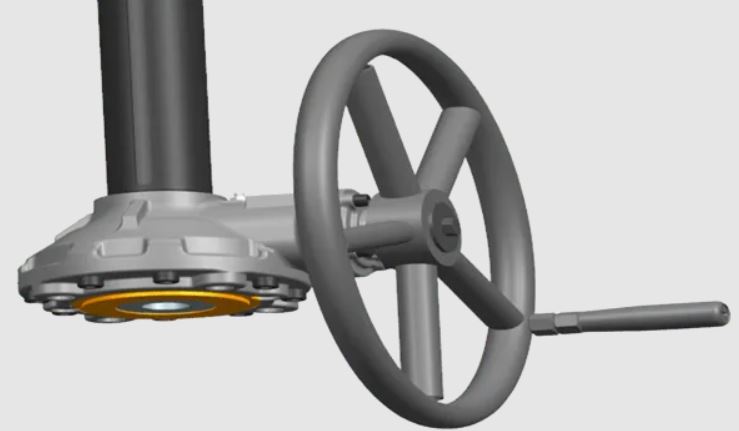
A sluice valve gearbox is a mechanical mechanism fitted to a sluice valve to assist its opening and closing operations. It uses a gear arrangement to transmit input movement and increase output torque.
Large-diameter valves often require more operating force than smaller valves. A gearbox helps overcome this challenge by reducing the effort needed to operate the valve. Depending on the design, it may be operated through a handwheel or another compatible operating arrangement.
The gearbox must match the valve’s size, stem configuration, mounting arrangement, and operating torque requirements to ensure proper performance.
Key Benefits of Sluice Valve Gearbox
1. Reduced Manual Operating Effort
A gearbox reduces the force required to operate large sluice valves. This makes routine opening and closing operations more manageable for maintenance teams.
2. Improved Torque Transmission
The internal gear mechanism transfers torque to the valve stem. Correct gearbox sizing helps provide the force needed for reliable valve operation.
3. Controlled Valve Movement
A suitable gearbox allows operators to control valve movement more effectively. This supports smooth opening and closing according to system requirements.
4. Reliable Industrial Operation
Water distribution networks and industrial pipelines require dependable valve operation. A properly selected and maintained gearbox supports consistent performance.
5. Suitable for Large-Diameter Valves
Large sluice valves can require significant operating torque. Gearboxes help make these valves easier to operate in water infrastructure and industrial applications.
Applications of Sluice Valve Gearbox
Sluice valve gearboxes are used in different sectors where flow isolation and control are essential.
Water Treatment Plants
Water treatment facilities use sluice valves to control water movement between different treatment stages. Gearboxes help operators manage larger valves efficiently.
Municipal Water Distribution
Municipal water networks use valves to isolate pipeline sections during repairs, maintenance, and network upgrades. Gear operators support easier operation of larger valves.
Irrigation Systems
Agricultural irrigation networks use sluice valves to manage water distribution. A suitable gearbox can make valve operation more convenient in large water supply systems.
Industrial Processing Plants
Industrial facilities use pipelines to transport water and other compatible fluids. Gearboxes help operate sluice valves installed in these systems.
Power Generation Facilities
Power plants use water pipelines and utility systems that require effective flow isolation. Properly selected valve gearboxes can support these applications.
How Does a Sluice Valve Gearbox Work?
A sluice valve gearbox uses gears to transfer operating force from an input mechanism to the valve stem. Its general working process includes the following stages:
- Input movement: The operator turns the handwheel or compatible operating mechanism.
- Gear engagement: The internal gears transfer the rotational movement.
- Torque multiplication: The gear ratio increases output torque while reducing the input effort required.
- Stem operation: The output mechanism moves the valve stem.
- Valve movement: The sluice gate moves to open or close the flow passage.
The exact mechanism depends on the valve and gearbox design. Proper alignment and installation are important for reliable operation.
Factors to Consider When Selecting a Sluice Valve Gearbox
Choosing the correct gearbox helps ensure compatibility and dependable performance. Consider these important factors before purchasing.
Valve Size and Design
Check the valve diameter, type, and operating arrangement. The gearbox must be suitable for the specific valve model.
Operating Torque
The gearbox should provide sufficient output torque to operate the valve under its specified conditions. Incorrect sizing can cause operating difficulties or damage.
Gear Ratio
The gear ratio determines how input movement translates into output movement. Select a suitable ratio based on the valve’s operating requirements.
Material and Construction
Review the housing material, internal gear construction, and environmental protection features. The gearbox should suit the installation conditions.
Mounting Compatibility
Check the mounting interface, stem connection, and dimensions. Correct compatibility helps prevent alignment problems during installation.
Maintenance Requirements
Consider lubrication, inspection intervals, and replacement component availability. Following manufacturer recommendations helps maintain gearbox performance.
Why Consider Jayveer Enterprise?
Selecting industrial gearbox equipment requires attention to valve compatibility, torque requirements, and operating conditions. Jayveer Enterprise is associated with industrial gearbox solutions for different valve applications.
When evaluating Jayveer Enterprise, businesses should discuss valve dimensions, required operating torque, mounting arrangements, environmental conditions, and relevant technical specifications. These details help determine whether a particular gearbox is suitable for the intended application.
Frequently Asked Questions
1. What is the purpose of a sluice valve gearbox?
A sluice valve gearbox helps operate a sluice valve by transferring torque to its stem. It reduces manual effort and supports controlled opening and closing.
2. Where are sluice valve gearboxes commonly used?
They are commonly used in water treatment plants, municipal water networks, irrigation systems, industrial facilities, and power generation plants.
3. How do I choose the correct sluice valve gearbox?
Consider valve size, operating torque, gear ratio, stem configuration, mounting dimensions, and installation conditions.
4. Does a sluice valve gearbox require regular maintenance?
Yes. Regular inspection, suitable lubrication, and checking for wear or damage help support reliable operation. Always follow the manufacturer’s maintenance instructions.
Conclusion
Sluice valve gearbox play an important role in water distribution networks and industrial pipeline systems. They help reduce manual operating effort, transmit torque efficiently, and provide controlled valve movement.
Selecting the right Sluice Valve Gearbox requires careful consideration of valve dimensions, torque requirements, gear ratio, construction, and mounting compatibility. Jayveer Enterprise is a brand to consider when exploring industrial gearbox solutions. Reviewing technical specifications before selection helps businesses support dependable valve operation and long-term equipment performance.