
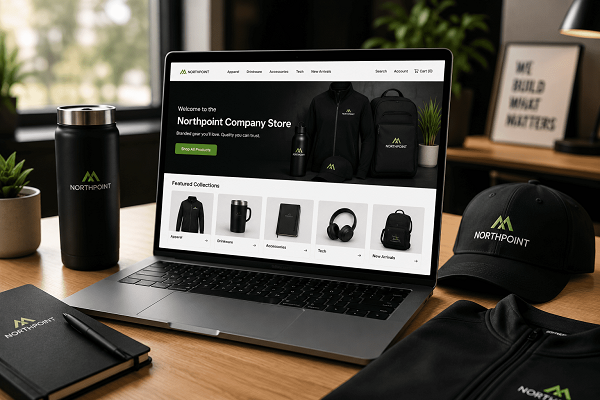
A business can reach people through advertisements, emails, and social media, yet physical merchandise offers another way to remain visible. Carefully selected products introduce a company’s identity into familiar spaces, from reception desks to college events and professional gatherings. Promotional Items become more meaningful when they serve a genuine purpose instead of carrying a logo without context. Merch by Graphic Stylus connects creative presentation with everyday usefulness, helping businesses consider how design, product choice, and audience expectations can work together. With a clear plan, merchandise can become a practical part of brand communication.
Promotional Items Begin With a Clear Brand Message
Before choosing products, businesses should decide what they want people to associate with their name. A company launching a new service may prioritise visibility, while an established organisation might focus on consistency and customer relationships. These objectives influence which Promotional Items deserve attention and how their designs should appear.
A useful starting point is to identify three brand qualities, such as reliability, creativity, or simplicity. Product materials, colours, and artwork can then reinforce those qualities. For instance, a business known for organised workflows might select neatly designed planners and document folders. This connection between message and merchandise makes the selection feel intentional rather than random.
Give Ordinary Objects a Distinctive Design
A familiar product can attract attention when its presentation feels considered. However, complicated artwork does not automatically improve recognition. Clear typography, balanced spacing, and appropriate colours often create a stronger visual impression than crowded layouts.
When developing Promotional Items, designers should examine the available printing surface before preparing final artwork. A design that looks excellent on a large bag may become difficult to read on a small pen. Therefore, each product needs suitable artwork placement and readable proportions. Merch by Graphic Stylus can be part of a merchandise planning process that considers both visual identity and the physical limits of different items.
Match Merchandise to Different Business Environments
Different workplaces create different opportunities for branded merchandise. A training centre may use folders, writing pads, and lanyards during workshops, whereas a property consultancy might distribute document organisers at client meetings. Choosing Promotional Items according to the setting improves their relevance and gives recipients a clearer reason to keep them.
Retail businesses can explore packaging accessories that complement the shopping experience. Meanwhile, professional service firms may prefer understated desk products that fit formal environments. The important consideration is compatibility: an item should suit the people receiving it, the occasion, and the company’s established identity. This practical alignment helps prevent unnecessary purchases and supports better distribution planning.
Corporate Gift Ideas That Reflect Professional Relationships
Thoughtful Corporate Gift Ideas can help organisations acknowledge meaningful business relationships without making every interaction feel like a sales opportunity. A carefully selected stationery set may suit a workshop participant, while a quality organiser could be appropriate for a long-standing business contact. Personalisation can add relevance when it remains tasteful and easy to read. Companies should also consider the recipient’s professional environment, cultural expectations, and practical needs before choosing a gift. By focusing on usefulness and presentation, businesses can make the gesture appropriate to the occasion while maintaining a consistent visual identity across their merchandise.
Plan Product Quantities Before Placing Orders
Order planning deserves attention because merchandise requirements can change significantly between campaigns. A local seminar with forty attendees has different needs from a nationwide exhibition with several hundred visitors. Businesses should estimate attendance, allow a reasonable quantity for additional participants, and avoid ordering excessive stock without a clear distribution plan.
Costs also involve more than the individual product price. Printing, packaging, delivery, artwork preparation, and storage can affect the final budget. Comparing Promotional Items through these combined expenses gives decision-makers a clearer picture of overall value. It also helps teams decide whether to prioritise broader distribution or invest in fewer products with more durable materials.
Use Merchandise to Support Event Participation
Events create opportunities for people to interact with a brand beyond a screen. Organisers can include useful merchandise in registration packs, workshop materials, or participant welcome kits. Promotional Items selected for these occasions should complement the event’s purpose rather than distract from its main activities.
A sustainability conference, for example, might feature reusable accessories and thoughtfully designed notebooks. A creative workshop could include sketchbooks or compact art supplies. In each case, the product becomes an extension of the event experience. Clear branding helps recipients associate the item with the occasion, while practical value gives them a reason to use it afterwards.
Maintain Consistency Across Every Product
Brand recognition grows through repeated exposure to familiar visual elements. However, that consistency becomes difficult when different teams use outdated logos, inconsistent colours, or unrelated fonts. Businesses can prevent these issues by maintaining a central collection of approved artwork and basic design instructions.
When several departments order Promotional Items, a shared reference helps everyone follow the same visual standards. It should specify logo versions, minimum readable sizes, approved colours, and spacing requirements. Suppliers can use these details when preparing designs for different materials. Consequently, products from separate campaigns can still look connected, even when their shapes, purposes, and printing methods differ.
Evaluate Merchandise With Practical Measures
After distributing merchandise, businesses should review whether the products served their intended purpose. Useful measures include the number of items distributed, audience participation, repeat requests, and enquiries associated with a campaign. These indicators provide context for deciding what to order next.
Teams can also record which products remained useful after an event and which were rarely selected. Such observations reveal opportunities to improve future choices. Reviewing Promotional Items regularly helps businesses refine their merchandise strategy, control waste, and connect purchasing decisions with actual audience behaviour instead of assumptions.
Conclusion
Promotional Items offer businesses a tangible way to communicate their identity through products people can use in everyday settings. Strong results begin with a clear message, suitable merchandise, readable artwork, and sensible budgeting. Merch by Graphic Stylus can be considered by organisations seeking to connect creative design with practical product selection. By reviewing audience needs and evaluating each campaign, businesses can build a more consistent merchandise approach. Thoughtful planning keeps every item relevant to its purpose while giving brand communication a useful physical presence.