
Choosing the right workwear is important for professionals working in industries where heat, sparks, and potential fire hazards are part of the job. FR pants are designed to provide flame-resistant protection while supporting comfort and movement during demanding work activities. Workers in electrical services, oil and gas, manufacturing, and other industrial sectors may require specialised clothing that meets the safety standards applicable to their workplace.
Forge FR is a name to consider when exploring flame-resistant clothing and industrial workwear options. Selecting suitable FR pants involves checking the garment’s protective rating, material, fit, durability, and compatibility with workplace requirements. By understanding these features, businesses can make informed decisions when choosing protective clothing for their teams.
What Are FR Pants?
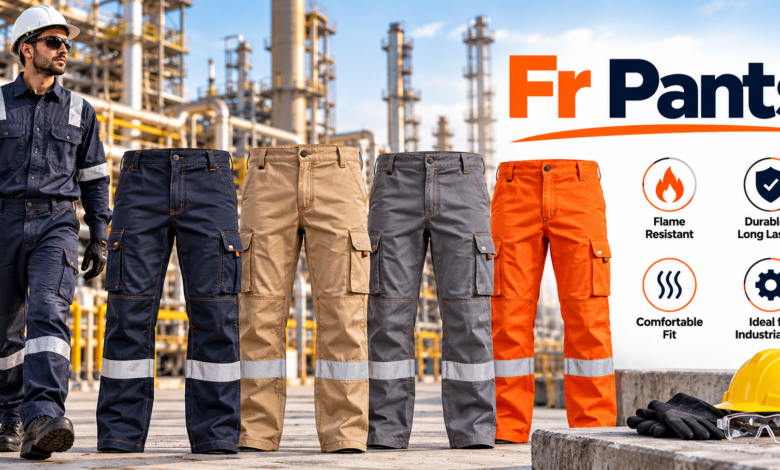
FR pants are flame-resistant trousers designed to resist ignition and help limit the spread of flames when exposed to certain heat or fire hazards. They are commonly used in workplaces where employees may face risks from electrical arcs, flash fires, or other sources of intense heat. Their protective performance depends on the fabric, garment construction, and applicable safety standards.
Unlike ordinary work trousers, flame-resistant garments are developed for specific hazard conditions. However, FR pants do not make a worker completely fireproof. They should always be selected according to the workplace risk assessment and used alongside other required personal protective equipment.
Important Features of Quality FR Pants
When selecting FR pants, businesses should consider several features that influence protection, comfort, and everyday performance. The fabric should meet the relevant flame-resistance requirements for the intended application. Garment labels and manufacturer documentation can help buyers verify the product’s specifications.
Durability is also important because industrial workers may wear protective clothing throughout long shifts. Strong stitching, practical pockets, and suitable closures can support daily use. At the same time, a comfortable fit allows workers to bend, walk, and perform tasks without unnecessary restriction.
Breathability and fabric weight also affect comfort. The right choice depends on the working environment, temperature, job duties, and other protective equipment worn with the trousers.
Why FR Pants Matter in Industrial Workplaces
Industrial environments can expose workers to different hazards depending on their duties. Electricians may work around potential arc-flash risks, while oil and gas personnel may face flash-fire hazards. Manufacturing and maintenance workers may also need specialised protective clothing for particular tasks.
FR pants can form part of a workplace protective clothing system when the garment is appropriate for the identified hazard. Employers should evaluate the risks, consult applicable safety requirements, and select products with suitable ratings and certifications.
Proper training is equally important. Workers should understand how to wear, inspect, clean, and maintain their protective clothing. These practices help preserve garment performance and support a safer working environment.
How to Choose the Right FR Pants
Before purchasing FR pants, identify the hazards associated with the job. Different work environments require different levels and types of protection, so a general flame-resistant label may not provide enough information on its own.
Next, review the garment specifications, material composition, size chart, and applicable standards. Check whether the trousers are designed for the specific risks present in your workplace, such as flash fires or electrical arc exposure. If arc-flash protection is required, review the relevant arc rating and ensure it matches the workplace assessment.
Fit should also be considered carefully. Pants that are too tight may restrict movement, while excessively loose garments can interfere with certain tasks. Choose a size that allows comfortable movement and works with the rest of the required protective equipment.
Comfort and Durability for Daily Use
Industrial workers often wear protective clothing for several hours at a time. Therefore, FR pants should provide an appropriate balance between protection, comfort, and durability. Fabric weight, flexibility, construction, and fit can all affect the experience of wearing the garment throughout a shift.
Practical features such as reinforced stress points and functional pockets may also be useful, depending on the worker’s duties. However, added features should not compromise the garment’s protective performance or suitability for the job.
Employers should also consider the climate and work conditions. Lightweight options may be more comfortable in warm environments, while other fabric constructions may be better suited to different conditions. Always confirm that the selected garment meets the required safety specifications.
Proper Care and Maintenance of FR Pants
Correct care is essential for maintaining flame-resistant clothing. Always follow the manufacturer’s washing and maintenance instructions because unsuitable detergents, fabric treatments, or repair methods may affect garment performance.
Inspect FR pants regularly for holes, damaged seams, worn areas, and other signs of deterioration. Clothing that is damaged or contaminated beyond the manufacturer’s cleaning recommendations may need to be removed from service.
Workers should avoid applying unapproved fabric softeners, sprays, or coatings unless the manufacturer confirms they are suitable. Proper storage and timely replacement also help maintain the protective clothing programme.
Why Consider Forge FR?
Choosing industrial workwear requires careful attention to product specifications, workplace hazards, and everyday comfort. Buyers should review garment details and confirm that the selected products meet their organisation’s requirements before placing an order.
Forge FR is a name to consider when researching flame-resistant clothing options. Businesses looking to purchase FR pants should verify available styles, sizing, material specifications, safety documentation, and ordering conditions directly with the supplier.
A thoughtful selection process helps organisations choose workwear that fits their needs while supporting established workplace safety practices.
Frequently Asked Questions
1. What are FR pants used for?
FR pants are designed for workers who need flame-resistant clothing for specific workplace hazards. They are commonly considered in industrial, electrical, manufacturing, and oil and gas environments.
2. Are FR pants completely fireproof?
No. Flame-resistant clothing is not fireproof and cannot eliminate every risk. It is designed to provide a level of protection under specified conditions and must be selected according to the identified hazards.
3. How do I choose the right FR pants?
Check the workplace risk assessment, relevant safety standards, garment specifications, fit, material, and required protective ratings before making a selection.
4. How should FR pants be washed?
Follow the manufacturer’s care instructions. Avoid unapproved cleaning products or fabric treatments that could affect the garment’s protective properties.
5. Where can I explore FR pants from Forge FR?
You can contact Forge FR directly to confirm available products, sizes, material details, safety documentation, and purchasing options.
Conclusion
FR pants are an important workwear option for professionals who need flame-resistant clothing for specific industrial hazards. Choosing the right garment requires attention to protective ratings, material quality, fit, durability, and maintenance instructions. Employers should always select protective clothing based on workplace risk assessments and applicable safety requirements.
Forge FR is worth considering when exploring flame-resistant workwear options. By reviewing product specifications and confirming suitability for the intended application, businesses can make informed decisions about protective clothing for their workforce.