

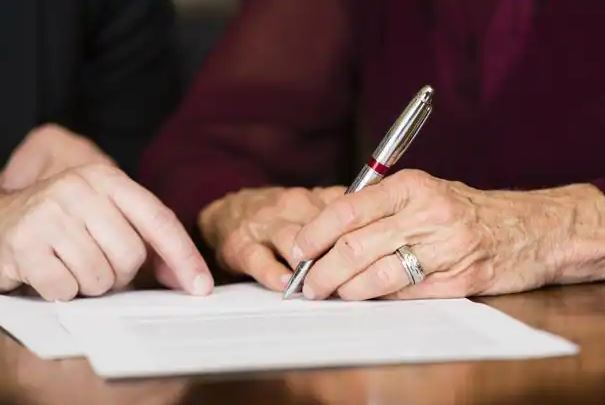
Signature mismatches can create problems when handling important share and investment documents. A mismatch may occur when the signature on a submitted document does not match the signature recorded with the relevant authority or company. As a result, a request may be placed on hold until the issue is properly addressed. Resolving Signature Mismatch Issues requires careful attention to documents, signatures, and the required verification process. Understanding the common reasons behind these issues can help shareholders handle the process more smoothly and avoid unnecessary delays.
What Causes a Signature Mismatch?
A signature mismatch can happen for several reasons. People may naturally change their signature over time, while older records may contain a different version. Sometimes, the signature on a form may also differ because of handwriting style, writing pressure, or the way the document was signed. In other cases, the registered signature may have been recorded many years ago. Therefore, even a genuine shareholder may face a mismatch when submitting a new request.
Why Signature Matching Is Important
Signatures help verify the identity and authority of a person submitting a share-related request. Companies and financial institutions use available records to confirm whether the submitted documents are consistent with existing information. If the signatures do not match, additional verification may be required before the request can move forward. This process helps protect shareholders and reduces the risk of unauthorized transactions.
Resolving Signature Mismatch Issues in Share Documents
The first step in Resolving Signature Mismatch Issues is to understand why the request was rejected or placed on hold. Check the communication received from the company, registrar, or relevant authority. It may mention the document that needs correction or additional verification. Once the reason is clear, the shareholder can prepare the required documents and follow the prescribed procedure.
In many cases, a shareholder may need to provide a fresh signature along with supporting identity documents. The exact requirements can differ depending on the company, registrar, type of request, and applicable process. Therefore, shareholders should follow the instructions provided by the concerned authority instead of using the same procedure for every case.
Documents That May Be Required
The documents required can vary from one case to another. Commonly requested documents may include identity proof, address proof, share-related documents, and a completed request form. Some cases may require additional verification or an attestation from an authorized person.
Before submitting anything, check the document requirements carefully. Make sure names, addresses, folio details, and other information are consistent across the documents. Correct and complete information can help reduce additional queries during the verification process.
How Professional Assistance Can Help
Share-related documentation can become confusing when multiple records or verification requirements are involved. Professional assistance can help shareholders understand the required process and organize the necessary paperwork. Share Claimers provides support for various share-related matters, including situations where documentation requires additional attention.
When dealing with Resolving Signature Mismatch Issues, professional guidance can help identify the documents that may need correction or verification. However, the final requirements depend on the concerned company, registrar, and applicable rules.
Avoiding Future Signature Problems
Keeping your records updated can help reduce the possibility of future mismatches. Try to use a consistent signature when completing official financial documents. Also, keep copies of important share documents and correspondence for future reference.
If your signature has changed over time, check whether the relevant records need to be updated. Taking action early can make future share-related requests easier to manage. It can also reduce the chances of delays caused by outdated information.
Steps to Handle a Signature Mismatch
Start by reviewing the rejection message or communication carefully. Identify the exact document or signature issue mentioned in the communication. Next, collect the required documents and check that all information is accurate.
After preparing the documents, submit them through the channel specified by the concerned company or registrar. Keep the acknowledgement or submission details for your records. If additional information is requested, respond with the required documents within the given timeframe.
Frequently Asked Questions
What is a signature mismatch?
A signature mismatch occurs when the signature on a submitted document does not match the signature available in the relevant official record. Additional verification may then be required.
Why does a signature mismatch happen?
It can happen because a person’s signature has changed over time. Differences in handwriting, signing style, or older records can also cause a mismatch.
How can I resolve a signature mismatch?
Review the communication from the concerned company or registrar and follow its instructions. You may need to provide a fresh signature and supporting documents.
Can a signature mismatch delay share-related requests?
Yes. A mismatch may place a request on hold until the required verification is completed. The actual processing time depends on the concerned authority and the case.
Can professional help with signature mismatch issues?
Yes. Professional assistance can help you understand the documentation process and organize the required paperwork. However, the final requirements are determined by the concerned authority.
Conclusion
Signature mismatches can create delays in share-related documentation, but they can often be addressed through the proper verification process. Understanding the reason for the mismatch is the first step toward finding a suitable solution. Resolving Signature Mismatch Issues may require updated signatures, supporting documents, and communication with the concerned company or registrar. Keeping records accurate and following official instructions can make the process easier. For shareholders who need assistance with documentation and share-related matters, Share Claimers can provide guidance based on the requirements of the particular case.