

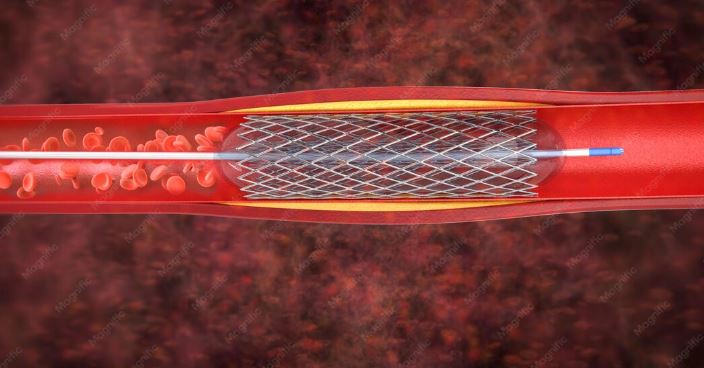
Angioplasty is a minimally invasive procedure used to improve blood flow through a narrowed or blocked artery. It is commonly used for coronary artery disease, where plaque builds up inside the arteries that supply blood to the heart.
During the procedure, a doctor guides a thin catheter through a blood vessel toward the blockage. A small balloon then expands the narrowed area. In many cases, doctors also place a stent to help keep the artery open.
For patients and families, understanding the procedure can make the treatment process easier to manage. Therefore, it helps to know when angioplasty may be recommended, what recovery involves, and which lifestyle changes support heart health.
What Is Angioplasty and How Does It Work?
Angioplasty, also called percutaneous coronary intervention or PCI, helps restore blood flow through a narrowed coronary artery. Plaque can gradually reduce the space inside an artery. As a result, the heart may receive less oxygen-rich blood.
During angioplasty, the cardiologist usually follows these steps:
- Inserts a thin catheter through an artery.
- Guides the catheter toward the narrowed area using X-ray imaging.
- Uses contrast dye to identify the blockage.
- Inflates a small balloon at the narrowed section.
- Places a stent when needed.
- Removes the balloon and catheter after treatment.
A stent is a small mesh tube that helps keep the artery open. Drug-eluting stents also release medicine that can help reduce the chance of the artery narrowing again.
However, not every blockage requires angioplasty. Doctors consider the location, severity, symptoms, and overall heart condition before recommending treatment. Some patients may need medicines or bypass surgery instead.
When May Angioplasty Be Recommended?
Doctors may consider angioplasty when narrowed coronary arteries reduce blood flow to the heart. It can help certain patients with persistent angina when medicines do not control symptoms.
Angioplasty can also play an important role during a heart attack. In an emergency, opening the blocked artery quickly can help restore blood flow and limit heart damage.
Common Reasons for Treatment
A cardiologist may discuss the procedure when a patient has:
- Significant coronary artery narrowing
- Persistent chest pain caused by reduced blood flow
- Certain blockages associated with a heart attack
- Reduced blood flow that affects heart function
The decision remains individual. Therefore, patients should discuss their test results and treatment choices with a qualified cardiologist.
Benefits, Risks and Recovery After Angioplasty
One major benefit of angioplasty is that it can improve blood flow without traditional open-heart surgery. It may also reduce certain symptoms caused by restricted blood flow. However, the procedure does not remove the underlying risk factors for coronary artery disease.
Like any medical procedure, angioplasty has possible risks. Minor bleeding or bruising around the catheter site can occur. Less common complications may include artery damage, serious bleeding, blood clots, heart attack, stroke, or an allergic reaction to contrast dye.
What Can Patients Expect During Recovery?
Recovery depends on the patient’s condition and whether the procedure was planned or performed during an emergency.
After a planned procedure, many patients can leave the hospital the same day or the next day. Doctors usually provide instructions about medicines, wound care, diet, and physical activity.
Patients should follow their cardiologist’s instructions carefully. They may need medicines that reduce the risk of blood clots after stent placement. Importantly, patients should never stop prescribed medicines without medical advice.
Lifestyle Changes After Angioplasty
Angioplasty can improve blood flow, but it does not cure coronary artery disease. Therefore, long-term heart care remains important after the procedure.
Patients can support their heart health by following their doctor’s recommendations. These may include:
- Eating a balanced, heart-friendly diet
- Limiting excess salt and unhealthy fats
- Maintaining a healthy body weight
- Staying physically active as advised
- Avoiding tobacco products
- Taking prescribed medicines correctly
- Attending scheduled follow-up appointments
Cardiac rehabilitation may also support recovery for eligible patients. A structured program can help patients gradually return to safe physical activity while learning healthy habits.
HealthBhi can also help patients understand common heart-related treatment information and prepare questions for discussions with healthcare professionals.
Frequently Asked Questions
1. What is angioplasty?
Angioplasty is a procedure that opens a narrowed or blocked artery. It commonly treats blockages in coronary arteries.
2. Is angioplasty the same as stent placement?
Not exactly. Angioplasty uses a balloon to widen the narrowed artery. A stent may then be placed to help keep the artery open.
3. How long does recovery take after angioplasty?
Recovery varies between patients. After planned coronary angioplasty, many people can return to normal activities within about a week. However, emergency treatment after a heart attack may require longer recovery.
4. Can an artery narrow again after angioplasty?
Yes. An artery can narrow again after treatment. Doctors may use drug-eluting stents and medicines to help reduce this risk. Lifestyle changes also remain important.
5. Is angioplasty suitable for everyone?
No. The best treatment depends on the number and location of blockages, symptoms, overall health, and other medical factors. Some patients may need medicines or bypass surgery instead.
Conclusion
Angioplasty can restore blood flow through a narrowed or blocked artery and may provide important treatment for selected patients with coronary artery disease. It can also be used urgently during certain heart attacks.
Still, successful treatment involves more than the procedure itself. Patients should follow medical advice, take prescribed medicines, attend follow-ups, and maintain heart-healthy habits.
If you or a family member has been advised to consider angioplasty, speak with a qualified cardiologist about the available treatment options. For general health information and guidance, you can also explore relevant resources from HealthBhi.