
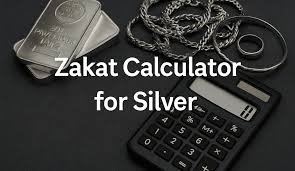
In the world of Islamic finance, Zakat on Silver holds a significant place. Silver, like gold, is considered a valuable asset in Islam, and if it reaches a certain threshold, known as Nisab, it becomes obligatory for Muslims to pay Zakat. This act of charity is not only a religious duty but also a means to purify wealth and support the needy. With modern financial systems, understanding the proper way to calculate Zakat on Silver is essential for every Muslim striving to fulfill their spiritual responsibilities.
What is Zakat on Silver?
Zakat on Silver is a form of obligatory charity due on silver and silver-based assets when they exceed the Nisab threshold. Nisab refers to the minimum amount of wealth a Muslim must possess before Zakat becomes mandatory. In the case of silver, this is usually measured in grams or ounces. Paying Zakat ensures that wealth circulates within society and reaches those in need, promoting social equality and compassion.
The primary principle behind Zakat is purification. By giving a portion of your wealth, you cleanse your earnings and acknowledge that everything belongs to Allah. Silver, historically a form of currency and store of value, is treated similarly to gold in Zakat calculations, though the Nisab threshold differs.
Nisab Threshold for Silver
To calculate Zakat on Silver, you must first determine the Nisab. For silver, Nisab is equivalent to 595 grams (approximately 21 ounces). If your total silver holdings reach or exceed this threshold, Zakat becomes obligatory. It is important to note that this includes all forms of silver, whether in coins, jewelry, or bullion.
The Nisab value can fluctuate according to the market price of silver, so staying updated with current rates is essential. Nisab ensures that only those who are financially capable contribute, protecting the poor from additional burdens.
How to Calculate Zakat on Silver
Calculating Zakat on Silver requires simple steps:
- Determine Total Silver Holdings – Add all silver assets, including coins, jewelry, and bars.
- Check Current Market Value – Convert the total weight into its equivalent monetary value using current silver rates.
- Apply Zakat Rate – Zakat on Silver is typically 2.5% of your total silver value once the Nisab threshold is reached.
For example, if your silver holdings are worth $5,000, your Zakat obligation would be $125. Regular calculation is crucial, as silver prices can fluctuate, affecting the amount payable.
Who Should Pay Zakat on Silver?
Zakat is obligatory for every adult Muslim who meets the Nisab threshold. This includes business owners, investors, and individuals holding silver for personal or commercial purposes. Children and those below the Nisab limit are not required to pay Zakat, ensuring fairness in financial obligations.
Importance of Paying Zakat on Silver
The significance of Zakat on Silver goes beyond monetary exchange. It reflects obedience to Allah and fosters a sense of responsibility toward the community. By distributing wealth, Zakat reduces economic disparity and supports those in financial hardship.
Additionally, paying Zakat purifies one’s wealth. In Islamic teachings, wealth without Zakat may lead to spiritual stagnation, while Zakat cleanses the heart of greed and encourages generosity. It also encourages Muslims to manage their wealth responsibly and plan their financial growth while keeping charitable duties in mind.
Common Mistakes in Zakat Calculation
Many people make errors when calculating Zakat on Silver. Some common mistakes include:
- Ignoring the current market value of silver
- Forgetting to include all forms of silver holdings
- Calculating Zakat without confirming if the Nisab threshold is met
- Paying Zakat irregularly instead of annually
Ensuring accuracy is essential. Consulting reliable resources, such as Nisab.ai, can provide up-to-date rates and guidance for precise calculations.
Zakat on Silver vs. Zakat on Gold
While Zakat on Silver and gold share similar principles, the key differences lie in the Nisab threshold and market value. Gold requires a higher threshold, and due to its higher value, the monetary Zakat amount is usually larger. Silver is more accessible, which allows a wider group of Muslims to participate in charitable giving. Both forms, however, serve the same spiritual and social purpose.
Benefits of Timely Zakat Payment
Paying Zakat on Silver timely ensures that wealth is circulating in society and fulfilling its intended purpose. Immediate benefits include:
- Supporting the poor and vulnerable
- Fostering community development
- Promoting spiritual growth and self-discipline
- Avoiding potential sinful accumulation of wealth
Timely Zakat encourages Muslims to reflect on their financial responsibilities and strengthens their connection with faith.
Practical Tips for Managing Zakat on Silver
Managing Zakat effectively requires planning:
- Maintain a record of all silver holdings and their values
- Update valuations regularly according to market fluctuations
- Set aside Zakat funds separately to avoid accidental misuse
- Use reliable platforms like Nisab.ai for accurate guidance
By following these tips, Muslims can ensure their Zakat obligations are met accurately and efficiently, reducing stress during calculation periods.
Conclusion
Understanding Zakat on Silver is vital for every Muslim seeking to fulfill their religious duties. Accurate calculation, awareness of Nisab, and timely payment ensure that wealth is purified and distributed fairly. Platforms like Nisab.ai offer reliable guidance to help individuals calculate their Zakat properly and stay informed about market rates. Paying Zakat not only fulfills a spiritual obligation but also strengthens communities, reduces inequality, and encourages generosity. By integrating these practices into your financial routine, you can embrace the true spirit of Zakat while maintaining accurate and responsible wealth management.