

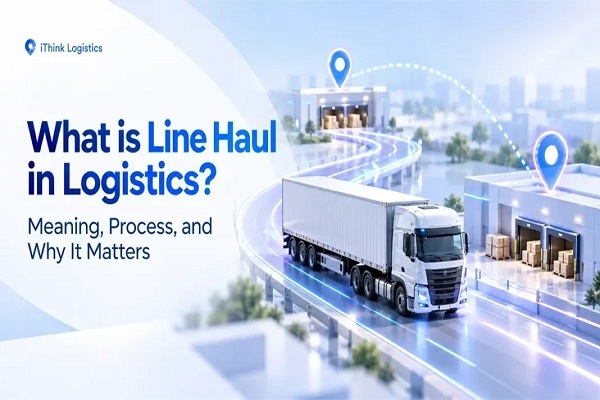
Every successful delivery depends on several transportation activities working together behind the scenes. Businesses need dependable connections between warehouses, sorting centres, and regional distribution facilities to keep goods moving. Line Haul in Logistics supports this process by carrying shipments across long distances between important network locations. It helps companies organise freight movement, coordinate transport schedules, and manage growing order volumes. As customer expectations continue to rise, efficient transportation networks become increasingly important. With suitable planning, businesses can improve delivery consistency, reduce avoidable delays, and build stronger supply chain operations.
The Importance of Line Haul in Logistics Operations
Long-distance transportation forms a crucial link between shipment collection and final delivery. In this stage, Line Haul in Logistics involves moving parcels or freight between designated hubs through road, rail, air, or other suitable transport options.
Consider an online retailer shipping orders from Jaipur to Mumbai. Parcels may first travel to a consolidation facility before moving to a destination hub near Mumbai. Local delivery teams then transport the orders to customers.
This organised arrangement separates intercity transportation from doorstep delivery. Consequently, logistics companies can coordinate shipments more effectively, allocate vehicle capacity, and maintain structured movement schedules. It also creates opportunities to improve resource utilisation across busy transportation corridors.
How Freight Consolidation Improves Transportation
Freight consolidation combines compatible shipments travelling towards similar destinations. Instead of moving numerous partially loaded vehicles, logistics operators can group parcels into larger consignments whenever operational conditions permit.
This approach can improve vehicle utilisation and reduce unnecessary journeys. Additionally, consolidated shipments make it easier to organise dispatch schedules and manage freight transfers between facilities.
However, consolidation requires accurate sorting and timely coordination. Delays at collection centres can affect departure schedules, while incorrect destination information may cause additional handling. Therefore, businesses should maintain reliable shipment records and establish clear procedures for preparing freight before dispatch.
Key Stages Within a Transportation Network
An organised freight network includes several connected activities that support consistent movement.
Collection and Initial Processing
The process begins when shipments arrive from sellers, manufacturers, or fulfilment centres. Staff verify shipment details, scan parcels, and group consignments according to destination and service requirements. Accurate processing reduces sorting errors later.
Dispatch and Intercity Movement
Once freight is ready, transport teams assign suitable vehicles and departure schedules. Route selection depends on distance, cargo volume, transit commitments, and road conditions. Reliable coordination helps shipments move between facilities without unnecessary waiting.
Receiving Hub Management
At the destination facility, teams unload incoming freight, verify records, and sort consignments for regional distribution. Efficient receiving procedures prevent congestion and prepare shipments for the next transportation stage.
Final Delivery Preparation
After sorting, parcels enter the local distribution network. Delivery teams organise routes and allocate shipments according to service areas. Clear handover records help maintain visibility throughout the process.
Factors Affecting Transportation Performance
Several variables influence the reliability of long-distance freight movement. Traffic congestion, road conditions, weather disruptions, fuel prices, and vehicle availability can affect arrival times. Shipment volume also matters because sudden demand increases may exceed existing transport capacity.
Businesses should review these conditions when evaluating Line Haul in Logistics performance. They can examine departure punctuality, average transit duration, vehicle utilisation, and shipment exception rates to identify operational weaknesses.
Furthermore, contingency arrangements help teams respond to unexpected disruptions. Alternative routes, backup vehicles, and clear escalation procedures can reduce the impact of unforeseen problems.
Regular performance analysis allows logistics managers to make informed adjustments instead of relying on assumptions.
Cost Management Across Freight Operations
Transportation represents a significant expense for businesses handling regular shipments. Poorly planned routes, underused vehicles, repeated handling, and missed departures can increase operating costs.
A structured approach to Line Haul in Logistics helps companies identify these inefficiencies. Freight consolidation, suitable carrier selection, and coordinated dispatch schedules can support better cost control.
Nevertheless, the cheapest transport option may not deliver the strongest overall value. Businesses should compare pricing alongside transit reliability, handling quality, tracking capabilities, and service commitments.
For example, a slightly higher transportation charge may be worthwhile when it reduces delays and prevents inventory shortages. Evaluating total operational impact gives businesses a clearer basis for decisions.
What Is B2B Shipping
What Is B2B Shipping refers to the transportation of goods between two companies. Typical examples include manufacturers supplying distributors, wholesalers sending inventory to retailers, and businesses transferring equipment between facilities. These shipments may involve bulk quantities, scheduled collections, specialised packaging, or documentation requirements. Unlike many consumer deliveries, commercial shipments often follow recurring schedules and depend on coordinated inventory management. Reliable transport arrangements help businesses maintain stock availability, meet contractual commitments, and reduce interruptions across their supply chains.
Digital Tools for Better Freight Visibility
Technology helps logistics teams coordinate transportation activities with greater accuracy. Digital tracking systems record shipment milestones, while transportation management software supports dispatch planning, route allocation, and carrier coordination.
When businesses use Line Haul in Logistics alongside reliable digital tools, they can monitor shipment progress and identify delays earlier. This visibility helps customer service teams communicate updates and allows managers to investigate operational exceptions.
Data analysis provides further advantages. Historical records can reveal recurring congestion, seasonal demand changes, and frequently delayed routes. Teams can then adjust departure schedules or transport capacity based on actual performance.
However, technology works best when employees enter accurate information and respond promptly to alerts.
Building a Stronger Network With iThink Logistics
Choosing a suitable logistics partner requires careful evaluation of operational requirements. Businesses should consider geographic coverage, shipment volumes, tracking options, pricing transparency, and communication procedures before entering a service agreement.
iThink Logistics is a relevant option for businesses evaluating technology-supported shipping coordination. Companies should assess its available services against their own delivery requirements, including collection arrangements, shipment visibility, service coverage, and support processes.
Clear expectations help both parties manage responsibilities effectively. Businesses should also review performance reports periodically to understand whether existing arrangements meet their operational objectives.
As order volumes increase, scalable transportation arrangements become especially important. A flexible network can help businesses respond to demand changes without compromising shipment coordination.
Conclusion
Reliable freight movement connects suppliers, warehouses, distribution centres, and customers across extensive supply chains. Line Haul in Logistics supports these connections through planned transportation, efficient consolidation, coordinated transfers, and improved shipment visibility. Businesses can strengthen performance by monitoring operational data, controlling avoidable expenses, and adopting suitable digital systems. Working with an appropriate logistics partner also helps establish dependable shipping processes. By improving each transportation stage, organisations can create more resilient supply chains, support customer expectations, and maintain long-term operational efficiency.