Aquaculture Pond Liner: Durable Pond Protection by Macro Sheet India Limited

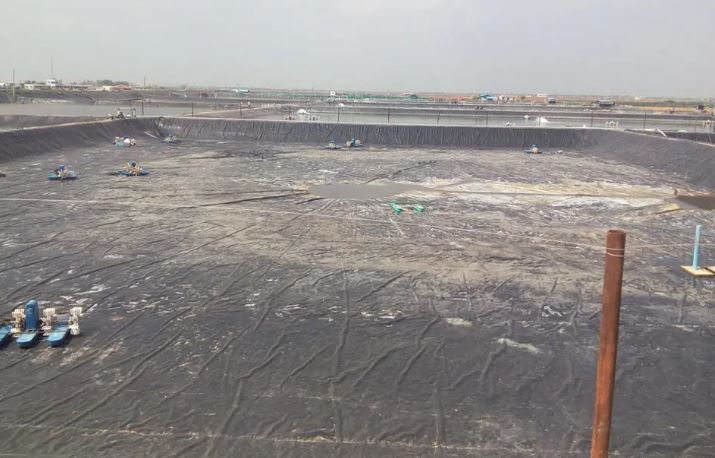
Aquaculture plays an important role in modern fish farming and seafood production. However, maintaining water quality, controlling seepage, and protecting pond structures are essential for successful aquaculture operations. An Aquaculture Pond Liner helps create a protective barrier between pond water and the underlying soil. It can reduce water loss, support better pond management, and improve the efficiency of fish farming systems.
Macro Sheet India Limited provides geomembrane-related solutions for applications where water containment and environmental protection are important. Selecting the right pond liner depends on factors such as soil conditions, pond size, water requirements, installation methods, and the type of aquaculture being practised. A suitable liner can help farmers manage their ponds more effectively over time.
What Is an Aquaculture Pond Liner?
An Aquaculture Pond Liner is a protective lining installed along the bottom and sides of a pond to help contain water. It creates a barrier that reduces seepage into the surrounding soil and supports more consistent water levels.
These liners are commonly manufactured from geomembrane materials, including high-density polyethylene (HDPE). HDPE geomembranes are widely used in water containment applications because of their durability, chemical resistance, and low permeability when properly installed.
Aquaculture pond liners are suitable for various fish farming systems, including freshwater fish ponds, shrimp farms, and selected commercial aquaculture facilities. The appropriate material and thickness depend on site conditions and operational requirements.
Benefits of Using an Aquaculture Pond Liner
Installing a suitable pond liner offers several advantages for fish farmers and aquaculture businesses.
Reduced Water Seepage
Natural soil may allow water to seep into the ground, particularly where the soil has high permeability. A properly installed liner helps limit this loss and supports more consistent pond water levels. Consequently, farmers may spend less time and resources replacing lost water.
Improved Pond Management
Maintaining stable water levels makes routine pond management easier. A liner can also help separate pond water from the underlying soil, reducing direct contact with certain soil contaminants. However, water quality still depends on feeding practices, filtration, aeration, and regular monitoring.
Durable Water Containment
High-quality geomembrane liners can provide reliable containment when selected, installed, and maintained correctly. Their performance depends on the material specification, exposure conditions, installation quality, and protection against punctures.
Easier Pond Preparation
A lined pond can simplify certain cleaning and maintenance activities. Smooth liner surfaces may make accumulated waste easier to remove compared with some natural pond surfaces. Proper cleaning procedures remain essential for maintaining suitable conditions for aquatic life.
Why HDPE Is a Popular Material for Aquaculture Ponds
High-density polyethylene is widely used in geomembrane applications because it combines low permeability with good chemical resistance. These properties make HDPE a practical option for many water containment projects.
An HDPE Aquaculture Pond Liner can help reduce seepage and provide a durable barrier under appropriate operating conditions. It is also available in different thicknesses to meet varying project requirements.
Before selecting an HDPE liner, consider exposure to sunlight, expected water depth, soil characteristics, and the possibility of physical damage. The liner should meet the relevant quality specifications for the intended application.
Material selection is especially important for aquaculture because the pond environment supports living organisms. Buyers should confirm that the selected product is suitable for the intended water containment use and follow appropriate installation guidelines.
Applications of Aquaculture Pond Liners
Aquaculture pond liners serve several purposes across commercial and small-scale fish farming operations.
Fish Farming Ponds
Fish farms require dependable water containment to maintain suitable pond levels. A liner can help reduce seepage and support better control over the pond environment.
Shrimp Farming
Shrimp farming operations often require carefully managed pond conditions. A suitable geomembrane liner can help contain water and support routine pond preparation and maintenance.
Hatcheries and Nursery Ponds
Hatcheries and nursery facilities require careful water management for young aquatic species. Properly designed lined ponds can support controlled water containment and easier maintenance.
Commercial Aquaculture Facilities
Large aquaculture projects may use lined ponds as part of an integrated water management system. The liner specification should match the pond design, water requirements, and operating conditions.
How to Choose the Right Aquaculture Pond Liner
Choosing the right liner requires a clear understanding of the pond’s design and operating conditions. First, measure the pond’s length, width, depth, and side slopes. These measurements help estimate the material required, including allowances for anchoring and installation.
Next, evaluate the soil conditions and potential risks of punctures. Rough surfaces, sharp stones, and uneven ground can damage the liner. Preparing the subgrade properly and using suitable protective layers where required can reduce these risks.
Material thickness is another important consideration. Thicker liners may provide greater resistance to certain types of physical stress, but the correct specification depends on the project rather than thickness alone.
Also consider the joining method, installation expertise, UV exposure, and expected service conditions. Discussing these details with a geomembrane supplier can help identify an appropriate product for the pond.
Installation and Maintenance Best Practices
Correct installation plays a major role in liner performance. Before laying the liner, clear the pond area of sharp stones, roots, debris, and other objects that could cause damage. The surface should be prepared according to the project design.
Install the liner carefully and avoid unnecessary dragging or stretching. Seams should be joined using an appropriate method by trained personnel, particularly for large commercial ponds. After installation, inspect the liner for visible damage and verify that connections and anchoring details are secure.
Routine inspections can help identify punctures, exposed sections, or damaged seams before they become larger problems. Avoid placing heavy equipment directly on an unprotected liner, and follow the manufacturer’s recommendations for repairs and maintenance.
Why Consider Macro Sheet India Limited?
Selecting a geomembrane supplier involves evaluating product quality, technical specifications, application suitability, and available support. Aquaculture businesses should look for clear information about liner material, thickness, dimensions, and installation requirements.
Macro Sheet India Limited is a relevant name to consider when exploring geomembrane liner solutions for water containment applications. Before purchasing, discuss the pond design, operating conditions, and project requirements to determine the appropriate liner specification.
A carefully selected liner, supported by proper site preparation and professional installation, can help aquaculture operators improve water retention and manage pond maintenance more effectively.
Frequently Asked Questions
1. What is an Aquaculture Pond Liner used for?
An Aquaculture Pond Liner creates a protective barrier that helps reduce water seepage and supports water containment in fish farms, shrimp ponds, and other aquaculture facilities.
2. Which material is commonly used for aquaculture pond liners?
HDPE geomembrane is a commonly used option because of its low permeability, durability, and chemical resistance. The appropriate material depends on project conditions.
3. How thick should an aquaculture pond liner be?
The required thickness depends on pond size, soil conditions, installation methods, water depth, and the expected physical stresses. The project specification should guide the final selection.
4. Can a pond liner improve water quality?
A liner can reduce direct contact between pond water and the underlying soil, but it does not independently guarantee good water quality. Aeration, filtration, feeding practices, and monitoring remain important.
5. How can I extend the life of an aquaculture pond liner?
Prepare the ground correctly, use suitable installation techniques, protect the liner from sharp objects, inspect seams regularly, and repair damage promptly according to manufacturer guidance.
Conclusion
An Aquaculture Pond Liner is an important component of modern fish farming and water containment systems. By helping reduce seepage and supporting effective pond management, a suitable geomembrane liner can contribute to more efficient aquaculture operations.
Macro Sheet India Limited is worth considering when researching geomembrane liner options for aquaculture applications. By assessing site conditions, choosing the appropriate material, and ensuring correct installation, pond operators can establish a reliable lining system that supports their long-term operational needs.